



Content Head and Video Creator, FirstLease
Top Factors to Consider When Leasing an Office Space in 2026
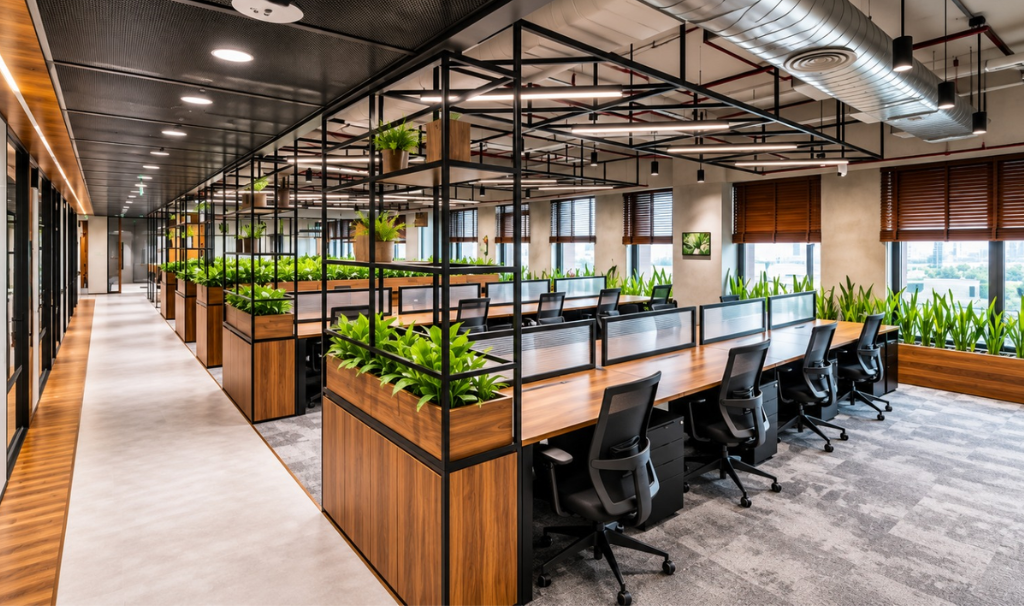
The office leasing market is undergoing a significant transformation in 2026. As businesses continue to adapt to hybrid work models, technological advancements, and evolving employee expectations, selecting the right office space has become more strategic than ever. Organizations are no longer evaluating workplaces solely on rental costs; they are considering factors such as location, flexibility, infrastructure, employee experience, and future scalability.
With demand for premium office space increasing across major business hubs, companies must make informed leasing decisions that support both current operations and long-term growth. A well-chosen office can improve productivity, strengthen company culture, enhance brand image, and attract top talent. This guide explores the most important factors businesses should consider when leasing office space in 2026.
1. Location and Accessibility: The Foundation of a Successful Lease. Location remains one of the most critical factors in office leasing decisions. A strategically located office provides easy access for employees, clients, and business partners while enhancing corporate visibility.
Businesses should evaluate proximity to metro stations, highways, airports, and public transportation networks. Offices located within established commercial districts often benefit from better infrastructure, access to talent, and stronger business ecosystems. Additionally, nearby amenities such as restaurants, banks, healthcare facilities, and retail outlets contribute to employee convenience and overall workplace satisfaction.
In an increasingly competitive talent market, reducing employee commute times can significantly improve retention and productivity.
2. Building Quality and Infrastructure Standards: The demand for Grade A office spaces continues to rise as organizations prioritize quality infrastructure and operational reliability. Modern office buildings provide the facilities and services required to support today's technology-driven workplaces.
Key infrastructure features to assess include:
1. 100% power backup.
2. Centralized air-conditioning systems.
3. High-speed internet connectivity.
4. Advanced fire safety systems.
5. Professional facility management.
6. Efficient parking facilities.
7. Sustainable building certifications.
High-quality infrastructure not only enhances daily operations but also creates a professional environment that reflects positively on a company's brand image.
3. Lease Terms and Flexibility: A commercial lease is a long-term commitment, making it essential for businesses to carefully review all lease conditions before signing.
Important lease components include:
1. Lock-in period requirements.
2. Rent escalation clauses.
3. Security deposit terms.
4. Renewal options.
5. Exit and termination provisions.
6. Subleasing rights.
Flexible lease agreements are particularly valuable in 2026, as many organizations continue to adjust their workplace strategies. Businesses should seek arrangements that allow them to scale operations without facing excessive penalties or restrictions.
4. Technology Infrastructure and Hybrid Work Readiness: Technology has become a fundamental requirement for modern office spaces. Companies increasingly depend on digital collaboration tools, cloud-based systems, and hybrid work environments.
An office space should offer:
1. High-speed fiber internet.
2. Video conferencing facilities.
3. Smart access control systems.
4. Building-wide Wi-Fi capabilities.
5. Data security infrastructure.
6. Backup connectivity solutions.
Hybrid work remains a key workplace trend, making technology-enabled offices essential for supporting seamless collaboration between in-office and remote employees.
5. Total Occupancy Cost Beyond Rent: Many businesses focus exclusively on rental rates when comparing office spaces. However, the actual cost of occupancy extends far beyond base rent.
Additional expenses may include:
1. Common Area Maintenance (CAM) charges.
2. Utility costs.
3. Parking fees.
4. Property taxes.
5. Interior fit-out expenses.
6. Technology installation costs.
7. Security and facility management charges.
Evaluating the total occupancy cost helps businesses create accurate budgets and avoid unexpected financial burdens after moving into a new office.
6. Scalability and Future Growth: An office lease should support not only current requirements but also future expansion plans. Organizations experiencing growth may quickly outgrow a workspace that seemed sufficient at the time of leasing.
Businesses should consider:
1. Availability of additional space within the building.
2. Large contiguous floor plates.
3. Expansion rights.
4. Flexible workspace options.
5. Multi-location of growth opportunities.
Choosing a scalable office environment minimizes the need for costly relocations and operational disruptions as the business grows.
7. Workplace Amenities and Employee Experience - The office environment plays a significant role in employee engagement, productivity, and retention. Modern workplaces are increasingly designed to provide experiences that go beyond traditional desk-based work.
Important amenities include:
1. Cafeterias and food courts.
2. Wellness and fitness facilities.
3. Collaboration lounges.
4. Outdoor seating areas.
5. Recreational spaces.
6. Meeting and event facilities.
A well-equipped workplace helps organizations create a positive work culture while improving employee satisfaction and overall performance.
Conclusion:
Leasing office space in 2026 requires a strategic approach that balances cost, flexibility, employee experience, technology, and future growth potential. The most successful office leasing decisions are those that align with business objectives while providing the infrastructure and environment needed for long-term success.
By carefully evaluating location, building quality, lease terms, scalability, workplace amenities, and legal compliance, organizations can secure office spaces that support productivity, attract talent, and drive sustainable business growth in an increasingly competitive market.
At FirstLease India Pvt. Ltd., we help businesses navigate the complexities of commercial real estate by identifying office spaces that align with their operational requirements, growth plans, and workplace strategies. Whether you're seeking a managed office, a Grade A corporate workspace, or a long-term commercial lease, partnering with an experienced advisor can help you make informed decisions and maximize the value of your office investment.
FAQs
1. What is the most important factor when leasing office space in 2026?
Location, accessibility, and lease flexibility are among the most important factors businesses should consider.
2. Why is Grade A office space preferred by businesses?
Grade A office spaces offer superior infrastructure, modern amenities, professional management, and better operational reliability.
3. What costs should businesses consider beyond office rent?
Businesses should evaluate CAM charges, utilities, parking fees, fit-out costs, taxes, and maintenance expenses.
4. How does hybrid work influence office leasing decisions?
Companies increasingly seek technology-enabled, flexible office spaces that support collaboration between remote and in-office employees.
5. Why is scalability important when leasing office space?
Scalable office solutions allow businesses to expand efficiently without incurring relocation costs or operational disruptions.